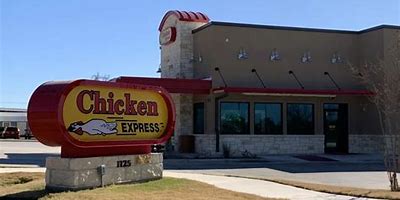
Owning a franchise, particularly in the fast-food industry, is a significant investment that many aspiring entrepreneurs consider. Chicken Express, a popular fast-food chain known for its fried chicken, gravy, and sweet tea, presents such an opportunity. However, before diving into this venture, understanding the potential earnings of a Chicken Express franchise owner is crucial. This involves a thorough examination of various factors, including initial investment, operating costs, revenue streams, and market conditions. While there is no guaranteed income, analyzing these elements can provide a realistic perspective on the financial possibilities and challenges associated with owning a Chicken Express franchise. This article aims to explore these aspects in detail, offering insights into what a Chicken Express franchise owner might realistically expect to earn.
WATCH
Understanding the Chicken Express Franchise Model

The Chicken Express franchise model is built on providing high-quality, quick-service food with a focus on customer satisfaction. The brand has established a strong presence in several states, primarily in the Southern United States, and continues to expand through franchise opportunities. Understanding this model involves looking at the rights and responsibilities of both the franchisor and the franchisee. The franchisor provides the brand name, operational guidelines, marketing support, and ongoing training. In return, the franchisee invests capital, manages day-to-day operations, and adheres to the franchisor’s standards. Success within this model depends heavily on the franchisee's ability to effectively manage the business, maintain quality, and provide excellent customer service. The strength of the Chicken Express brand and its established reputation play a significant role in attracting customers, but ultimately, the franchisee's efforts determine the profitability of their individual location. Before committing to a franchise, potential owners should carefully evaluate the Franchise Disclosure Document (FDD), which outlines all the details of the agreement, including fees, obligations, and financial performance representations.
WATCH
Initial Investment and Startup Costs

The initial investment for a Chicken Express franchise can vary significantly depending on factors such as location, size of the restaurant, and whether you are building a new restaurant or purchasing an existing one. Generally, the initial investment includes the franchise fee, which grants you the right to operate under the Chicken Express brand. This fee can range from $25,000 to $35,000. In addition to the franchise fee, there are numerous other startup costs to consider, including real estate (either purchase or lease), construction or remodeling, equipment (kitchen appliances, furniture, point-of-sale systems), initial inventory, licenses and permits, insurance, and training expenses. Marketing and advertising costs for the grand opening should also be factored in. The total initial investment can range from $400,000 to $800,000 or more, making it a substantial financial commitment. Securing financing is often a necessary step for prospective franchise owners, and this may involve obtaining a loan from a bank or other financial institution. It’s imperative to have a detailed business plan and conduct thorough due diligence to understand all the potential costs involved before moving forward with a Chicken Express franchise.
WATCH
Ongoing Operating Costs

Beyond the initial investment, franchise owners must also account for ongoing operating costs, which are expenses incurred regularly to keep the business running. These costs can significantly impact the franchise's profitability. The primary operating costs for a Chicken Express franchise include:
Food Costs: This is typically the largest expense, encompassing the cost of chicken, ingredients, and other food items. Efficient inventory management and strategic sourcing are crucial for controlling food costs.
Labor Costs: Wages, salaries, and benefits for employees constitute a significant portion of operating expenses. The number of employees needed will depend on the size and volume of the restaurant.
Rent and Utilities: Monthly rent payments, along with utility bills (electricity, water, gas), can be substantial, especially in high-traffic locations.
Franchise Royalties: Franchisees are typically required to pay royalties to the franchisor, usually a percentage of gross sales. This fee covers ongoing support, brand usage, and marketing efforts.
Marketing and Advertising Fees: In addition to national marketing campaigns, franchisees often need to invest in local marketing initiatives to attract customers.
Insurance: Various insurance policies are necessary to protect the business from potential liabilities, including property insurance, liability insurance, and worker's compensation insurance.
Maintenance and Repairs: Regular maintenance and occasional repairs are essential to keep equipment and the facility in good working order.
Other Expenses: This category includes costs such as cleaning supplies, office supplies, credit card processing fees, and accounting services.
Effective management of these ongoing operating costs is critical for maximizing profitability and ensuring the long-term success of the Chicken Express
franchise.
WATCH
Revenue Streams and Sales Projections

Understanding the potential revenue streams and developing realistic sales projections are crucial for assessing the financial viability of a Chicken Express franchise. The primary revenue stream for a Chicken Express restaurant is, of course, food sales. This includes a variety of menu items such as fried chicken, chicken tenders, side dishes (like mashed potatoes and gravy, corn on the cob, and fried okra), and beverages (particularly sweet tea). Sales can come from various channels, including dine-in customers, drive-thru orders, and catering services. To develop accurate sales projections, franchise owners need to consider several factors, including:
Location: The location of the restaurant plays a significant role in determining sales volume. High-traffic areas with strong visibility are more likely to generate higher sales.
Market Demographics: Understanding the demographics of the local population, including age, income, and preferences, can help tailor the menu and marketing efforts to attract customers.
Competition: The presence of other fast-food restaurants and chicken establishments in the area can impact sales. Analyzing the competition and identifying strategies to differentiate your restaurant is essential.
Economic Conditions: Economic factors, such as unemployment rates and consumer spending, can influence sales. During economic downturns, consumers may cut back on discretionary spending, affecting restaurant sales.
Marketing and Promotion: Effective marketing and promotional campaigns can drive traffic to the restaurant and boost sales. This includes advertising, social media marketing, and loyalty programs.
Operational Efficiency: Efficient operations, including fast service, high-quality food, and excellent customer service, can enhance customer satisfaction and repeat business.
By carefully considering these factors and conducting thorough market research, potential
franchise owners can develop realistic sales projections and assess the potential profitability of their Chicken Express
franchise.
WATCH
Factors Affecting Profitability

Several factors can influence the profitability of a Chicken Express franchise. Understanding these factors is crucial for franchise owners to make informed decisions and maximize their earnings. Some of the key factors include:
Location: As mentioned earlier, the location of the restaurant is paramount. A high-traffic location with good visibility can significantly increase sales and profitability.
Operating Efficiency: Efficient operations, including streamlined processes, effective inventory management, and optimized staffing, can reduce costs and improve profitability.
Food Costs: Controlling food costs is essential for maintaining profitability. Negotiating favorable prices with suppliers, minimizing waste, and implementing efficient inventory management practices can help reduce food costs.
Labor Costs: Managing labor costs effectively is critical. This includes optimizing staffing levels, training employees to improve productivity, and minimizing employee turnover.
Customer Service: Providing excellent customer service is crucial for building customer loyalty and repeat business. Friendly and efficient service can enhance customer satisfaction and drive sales.
Marketing and Promotion: Effective marketing and promotional campaigns can attract new customers and increase sales. Utilizing a mix of traditional and digital marketing strategies can help reach a wider audience.
Competition: The competitive landscape can impact profitability. Analyzing the competition and identifying strategies to differentiate your restaurant is essential.
Economic Conditions: Economic factors, such as unemployment rates and consumer spending, can influence profitability. Monitoring economic trends and adjusting business strategies accordingly is important.
Management Skills: The franchise owner's management skills play a critical role in the success of the business. Effective leadership, financial management, and decision-making are essential for maximizing profitability.
By carefully managing these factors, Chicken Express
franchise owners can increase their chances of achieving strong profitability and long-term success.
WATCH
Potential Earnings: What to Expect
While it is difficult to provide a precise figure for the average earnings of a Chicken Express franchise owner due to the many variables involved, it is possible to estimate a range based on industry data and franchise disclosure documents. The information provided in the Franchise Disclosure Document (FDD) is a crucial source for understanding potential earnings. The FDD may include information on average gross sales, expenses, and net income for existing franchise locations.
Based on available data and industry averages, a Chicken Express franchise owner might expect to generate annual gross sales ranging from $800,000 to $1.5 million or more. However, it is important to note that gross sales do not equate to profit. After deducting operating expenses, including food costs, labor costs, rent, utilities, royalties, and marketing fees, the net income (profit) for a franchise owner could range from $50,000 to $200,000 or more per year.
The exact earnings will depend on the individual franchise's performance, location, and the owner's management skills. Successful franchise owners who effectively manage their operations, control costs, and provide excellent customer service can achieve higher earnings. It is also important to consider that it may take several years for a new franchise to reach its full potential, and initial earnings may be lower than the long-term average. Potential franchise owners should conduct thorough due diligence, review the FDD carefully, and consult with existing franchise owners to gain a realistic understanding of the potential earnings and challenges associated with owning a Chicken Express franchise.
WATCH
Tips for Maximizing Profit
Maximizing profit as a Chicken Express franchise owner requires a strategic approach that encompasses efficient operations, cost management, and effective marketing. Here are some tips to help franchise owners boost their profitability:
Optimize Operations: Streamline processes to reduce waste and improve efficiency. Ensure that kitchen operations are optimized for speed and accuracy.
Control Costs: Implement strict cost control measures. Regularly review expenses and identify areas where costs can be reduced without compromising quality.
Negotiate with Suppliers: Build strong relationships with suppliers and negotiate favorable prices for food and supplies. Explore alternative suppliers to ensure competitive pricing.
Manage Inventory: Implement effective inventory management practices to minimize waste and spoilage. Track inventory levels closely and adjust ordering accordingly.
Train Employees: Invest in training employees to improve their skills and productivity. Well-trained employees can provide better customer service and contribute to operational efficiency.
Provide Excellent Customer Service: Focus on providing exceptional customer service to build customer loyalty and repeat business. Encourage employees to be friendly, helpful, and responsive to customer needs.
Market Effectively: Develop a comprehensive marketing plan to attract new customers and retain existing ones. Utilize a mix of traditional and digital marketing strategies, including social media marketing, email marketing, and local advertising.
Monitor Performance: Track key performance indicators (KPIs) such as sales, customer traffic, and expenses. Regularly analyze performance data to identify areas for improvement.
Seek Feedback: Solicit feedback from customers to identify areas where the restaurant can improve. Use customer feedback to make informed decisions and enhance the customer experience.
Stay Updated: Stay informed about industry trends and best practices. Attend industry events and network with other franchise owners to learn new strategies and techniques.
By implementing these tips, Chicken Express
franchise owners can increase their chances of achieving strong profitability and building a successful business.
WATCH
Post a Comment for "How Much Does a Chicken Express Franchise Owner Make"